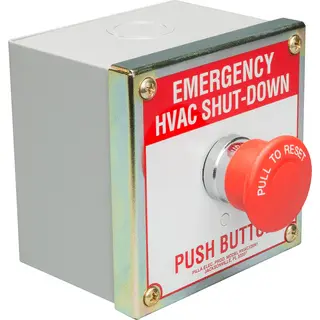
The Critical Role of HVAC, Fan, and Damper Shutdown in Fire Alarm Systems
In the event of a fire, every second counts. Rapid detection and response can mean the difference between a contained incident and a devastating catastrophe. One crucial aspect of fire safety that often goes unnoticed is the integration of HVAC, fan, and damper shutdown within fire alarm systems. Understanding the importance of these features can help protect your property and ensure the safety of its occupants.
What is HVAC, Fan, and Damper Shutdown?
HVAC (Heating, Ventilation, and Air Conditioning) systems are essential for maintaining comfortable and healthy indoor environments. However, during a fire, these systems, along with fans and dampers, can inadvertently contribute to the spread of smoke and flames throughout a building. An HVAC, fan, and damper shutdown mechanism integrated with a fire alarm system is designed to automatically turn off these systems when a fire is detected. This action helps to prevent the circulation of smoke and toxic gases, thereby enhancing the overall safety of the building.
What triggers the shutdown? See Duct Smoke Detectors in Houston.
Why are HVAC, Fan, and Damper Shutdowns Important?
- Preventing Smoke Spread : One of the primary dangers during a fire is smoke inhalation. HVAC systems, if left running, can circulate smoke rapidly, making it harder for occupants to evacuate safely. Shutting down HVAC systems, fans, and dampers helps contain the smoke to the area of origin, improving visibility and reducing the risk of smoke inhalation.
Preventing Smoke Spread : One of the primary dangers during a fire is smoke inhalation. HVAC systems, if left running, can circulate smoke rapidly, making it harder for occupants to evacuate safely. Shutting down HVAC systems, fans, and dampers helps contain the smoke to the area of origin, improving visibility and reducing the risk of smoke inhalation.
- Limiting Fire Spread : HVAC systems and fans can also facilitate the spread of fire by moving hot air and flames through ducts. Dampers, which control airflow in the ducts, can also play a critical role. Shutting down these systems can help contain the fire, giving firefighters a better chance to control and extinguish it.
Limiting Fire Spread : HVAC systems and fans can also facilitate the spread of fire by moving hot air and flames through ducts. Dampers, which control airflow in the ducts, can also play a critical role. Shutting down these systems can help contain the fire, giving firefighters a better chance to control and extinguish it.
- Protecting Air Quality : In addition to smoke, fires can release harmful gases and particulates. By shutting down HVAC systems, fans, and closing dampers, the spread of these contaminants is minimized, protecting the air quality in other parts of the building.
Protecting Air Quality : In addition to smoke, fires can release harmful gases and particulates. By shutting down HVAC systems, fans, and closing dampers, the spread of these contaminants is minimized, protecting the air quality in other parts of the building.
How Do HVAC, Fan, and Damper Shutdowns Work?
These shutdown mechanisms are typically integrated into a building’s fire alarm system. Here’s a simplified overview of how they work:
- Fire Detection : The fire alarm system detects a fire through smoke detectors, heat detectors, or manual pull stations.
Fire Detection : The fire alarm system detects a fire through smoke detectors, heat detectors, or manual pull stations.
- Signal Transmission : Once a fire is detected, the fire alarm system sends a signal to the building management system (BMS) or directly to the HVAC, fan, and damper control systems.
Signal Transmission : Once a fire is detected, the fire alarm system sends a signal to the building management system (BMS) or directly to the HVAC, fan, and damper control systems.
- System Shutdown : Upon receiving the signal, the HVAC system, fans, and dampers are automatically shut down or closed, stopping the circulation of air through the ducts.
System Shutdown : Upon receiving the signal, the HVAC system, fans, and dampers are automatically shut down or closed, stopping the circulation of air through the ducts.
- Notification and Response : The fire alarm system continues to notify building occupants and emergency services, while the HVAC, fan, and damper systems remain off or closed until the situation is under control.
Notification and Response : The fire alarm system continues to notify building occupants and emergency services, while the HVAC, fan, and damper systems remain off or closed until the situation is under control.
Ensuring Effective HVAC, Fan, and Damper Shutdowns
To ensure that your HVAC, fan, and damper shutdown systems work effectively during a fire, it’s important to:
- Regular Fire Alarm Maintenance : Routine inspections and maintenance of your fire alarm system, HVAC system, fans, and dampers are crucial. This ensures that all components are functioning correctly and can respond appropriately in an emergency.
Regular Fire Alarm Maintenance : Routine inspections and maintenance of your fire alarm system, HVAC system, fans, and dampers are crucial. This ensures that all components are functioning correctly and can respond appropriately in an emergency.
- Professional Fire Alarm Installation : Work with certified professionals to install and integrate your HVAC, fan, and damper shutdown systems. Proper installation is key to reliable performance.
Professional Fire Alarm Installation : Work with certified professionals to install and integrate your HVAC, fan, and damper shutdown systems. Proper installation is key to reliable performance.
- Fire Alarm Inspection and Testing : Regular testing of the fire alarm system, including the HVAC, fan, and damper shutdown features, should be conducted to verify that everything operates as expected. This includes both scheduled tests and unannounced drills.
Fire Alarm Inspection and Testing : Regular testing of the fire alarm system, including the HVAC, fan, and damper shutdown features, should be conducted to verify that everything operates as expected. This includes both scheduled tests and unannounced drills.
For what the annual test checks, see how fire alarm testing works in Houston. When a duct detector trips, the panel usually shows a supervisory signal rather than a fire alarm.
Protecting Your Home and Business
At ASAP Fire Protection, our goal is to ensure your safety by providing the best fire protection services and products. We serve the Houston area, offering fire alarm systems, fire extinguisher services, and comprehensive fire safety solutions. By equipping your home and business with the proper fire safety systems, including HVAC, fan, and damper shutdowns, you can mitigate the risk of a devastating fire.
For more information on fire safety and inspections, visit our Houston Fire Alarm Inspection page. Our experts can help you choose the right fire protection equipment and services to meet your needs.
Visit Us at asapfireprotection.com or Call Us at (346) 537-3473
For more information on fire safety, including how to protect your property from fire, visit our website at asapfireprotection.com . You can also reach us by phone at (346) 537-3473. Our experts are ready to help you choose the right fire protection equipment and services to keep you safe.
Conclusion
In a world increasingly reliant on complex building systems, understanding the risks and being prepared is more important than ever. By investing in the right fire safety systems and partnering with a trusted fire protection service like ASAP Fire Protection, you can ensure the safety of your home and business. Don’t wait for an emergency—be proactive and stay protected.
For all your fire protection needs in Houston, remember ASAP Fire Protection. Your safety is our priority.
FAQ
What is an HVAC shutdown interlock?
The connection between the fire alarm and the HVAC equipment that stops the fans when the fire alarm or a duct detector calls for it. It’s usually a relay or control module wired to the fan controls. In some buildings, the signal goes through the building management system instead.
How does a fire alarm HVAC shutdown relay work?
When the panel goes into alarm, or a duct detector senses smoke, the relay changes state and breaks the air handler’s control circuit, so the fan stops. Smoke dampers tied to the system close. After the cause is cleared and the fire alarm is reset, the relay returns to normal and the unit can restart.
Why does the AC shut off when the fire alarm goes off?
Because it’s designed to. A running air handler can push smoke through the ductwork into other parts of the building, so the fire alarm or a duct detector shuts it down. If the AC shut off and there’s no fire, a duct detector may have tripped on dust or a fault. See duct smoke detectors.
Is HVAC fan shutdown tested during the annual fire alarm inspection?
In Houston, yes. HFD LSB Standard No. 02 requires the licensed annual fire alarm test to include auxiliary functions such as HVAC shutdown and fire and smoke damper operation, with written documentation that they worked (§2.4.1.2).
Questions? Call (346) 537-3473 — Monday–Friday, 8:00 AM – 5:00 PM Central. 24/7 Emergency Service.